The room decides this purchase
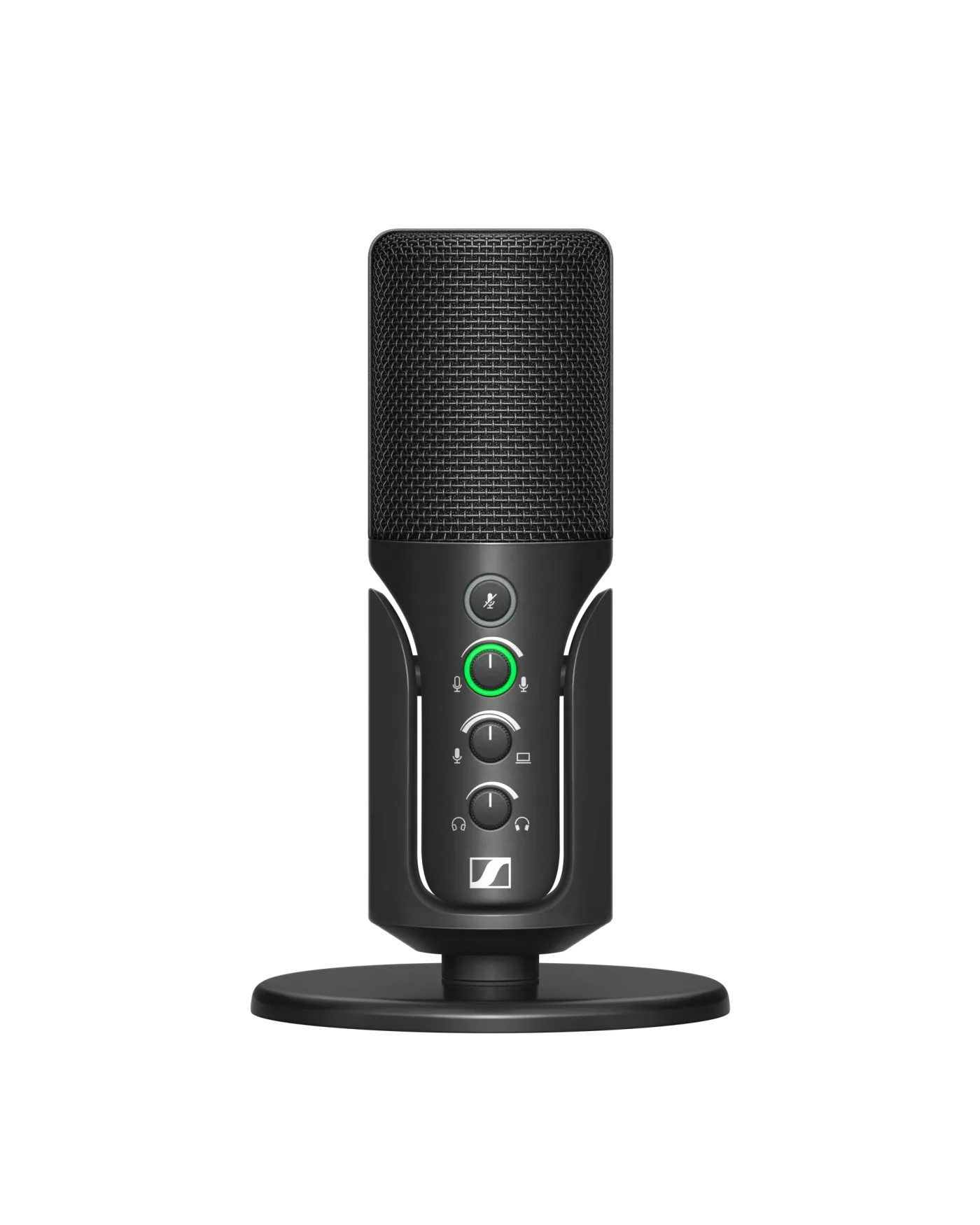
Read the Shure MV7+ review on this site before this one. It explains why a dynamic microphone suits most home offices.
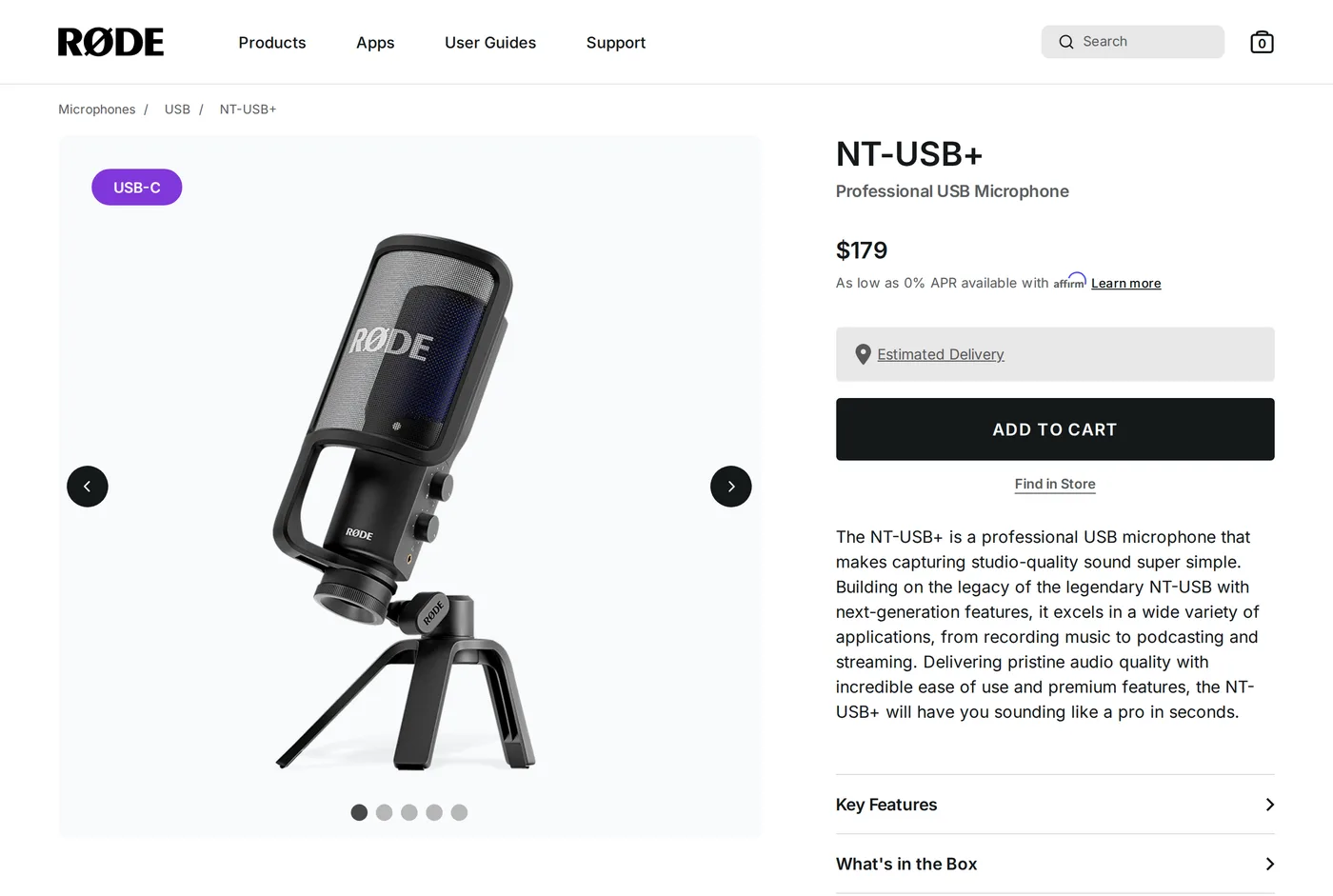
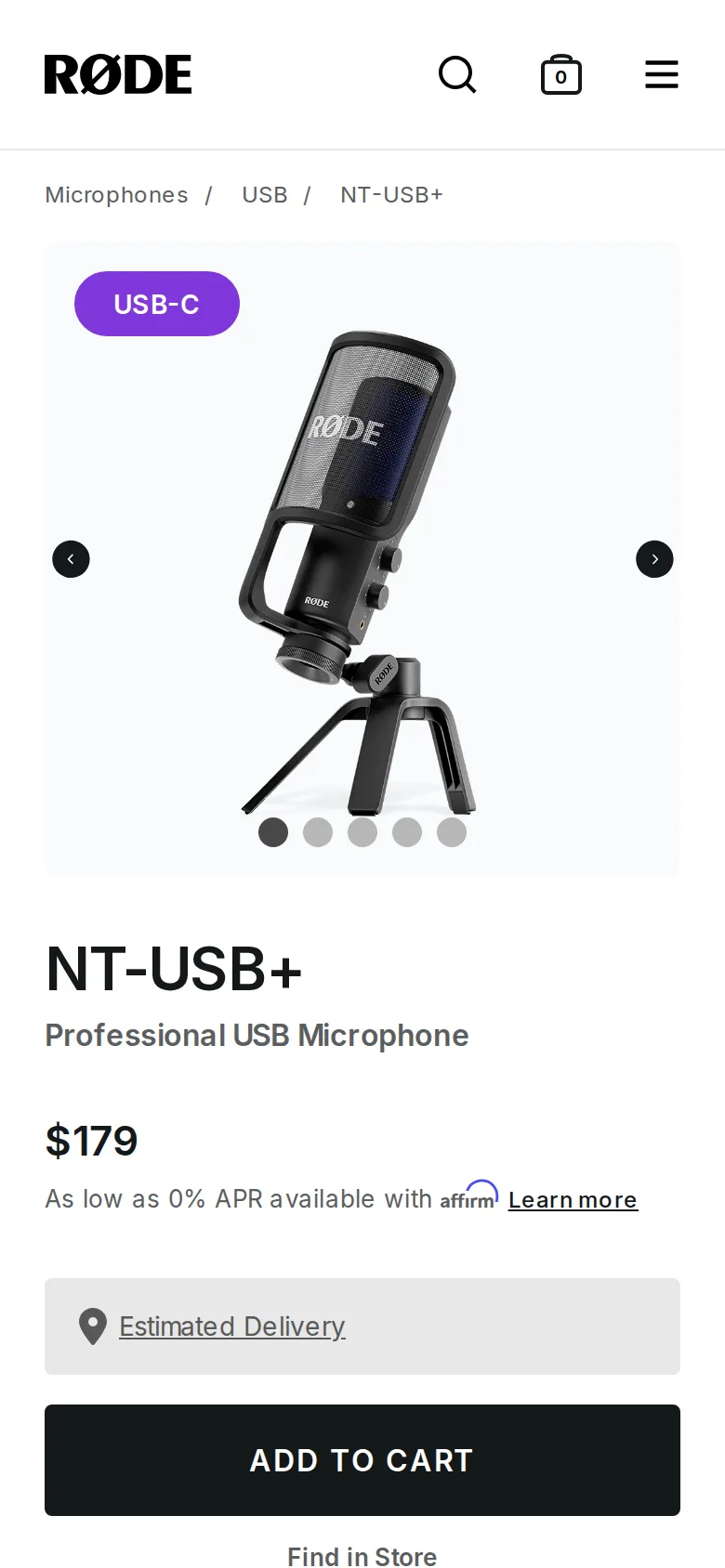
The NT-USB+ is the counter-argument. In a room with carpet, curtains, a sofa, books — anything soft — a good condenser sounds noticeably better than a good dynamic: more detail, more air, a more natural voice rather than a close, chesty one. If your room is quiet and soft, this is the better microphone and it costs $120 less.
In a room with a hard floor, bare walls and a window onto traffic, the same microphone will make you sound like you are in a car park.
There is no software fix for this. Buy according to your room.
What Røde have done well
Onboard processing. The APHEX compressor and exciter run on the microphone's own hardware, not on your computer. That means the processed sound is what comes out over USB, on any machine, with nothing installed. Plug it into a locked-down work laptop and it sounds the way you set it up.
This is the same philosophy as Elgato's Facecam storing its settings on the camera, and it is the right one. Software-dependent audio processing stops working the moment you are on a machine you do not control.
Zero-latency monitoring with a blend. Headphones plug into the microphone, and a dial mixes between your own voice and the computer's output. Hearing yourself as you speak is the fastest way to stop mumbling and to notice plosives, and the blend control means you can balance it against whoever you are talking to.
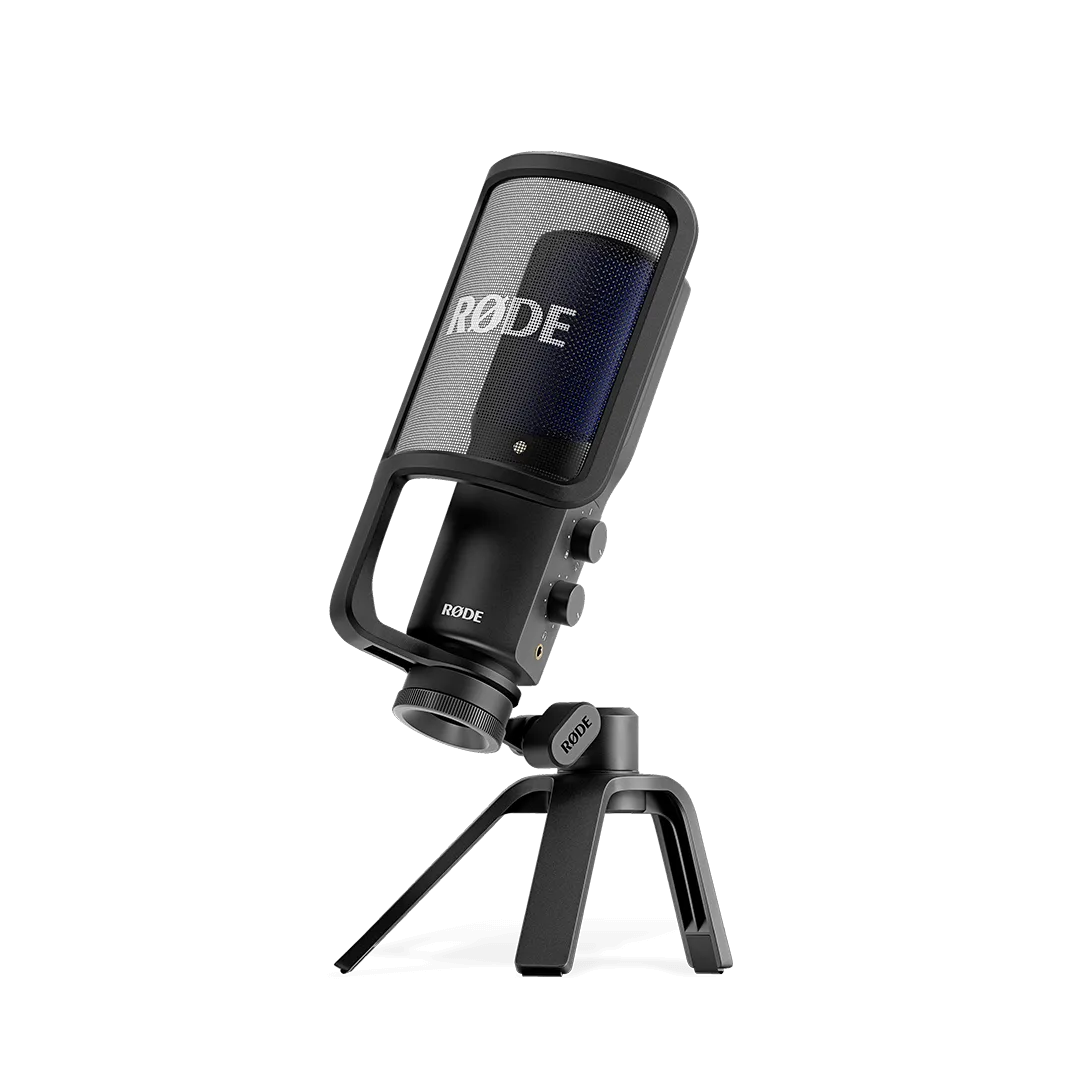
What is in the box. A pop filter and a desk stand, both usable. Røde ship a complete product; Shure ship a microphone and expect you to buy the rest.
Where it disappoints
The desk stand. It is rigid and short, which means it sits on the desk and passes every keyboard thump, mug placement and elbow knock directly into the capsule as a thud. A condenser this sensitive on a rigid desk stand is an unfortunate combination.
The fix is a boom arm with a shock mount, which is another $60 to $150 and rather undermines the "everything included" advantage. If you type while talking — and on a work call, you do — this is not optional.
The gain dial. Small, smooth, and hard to set to a repeatable position. A detented dial or a numeric readout would help.
USB only. Unlike the MV7+, there is no XLR output. If you later buy an audio interface, this microphone does not come with you.
Sound
In a suitable room: excellent. Clear in the upper mids without being harsh, with more natural top end than a dynamic can produce. Voices that sound thin on a dynamic — light, higher voices particularly — often sound much better here.
The APHEX compressor, set gently, is useful. Set aggressively, it pumps. Start with it barely on.
Testing your room before you buy
Two minutes, no equipment, and it will tell you which microphone to order.
Stand where you sit to work, clap once, sharply, and listen to what happens after the clap. If the sound stops dead, your room is soft and a condenser will be fine. If you hear a short ring or a slap off the far wall, the room is hard and a dynamic will serve you better.
Then stay quiet for thirty seconds and count the noise sources. A fridge, a fan, a road, a boiler. A condenser will record all of them at a level you will notice; a dynamic will attenuate most of them substantially.
Neither test requires a meter, and either one is more useful than a specification sheet.
Who should buy it
Someone recording in a carpeted spare room, a bedroom, or anywhere with soft furnishings, who wants the best voice quality for under $200.
Someone in a hard, noisy room: buy the MV7+ and accept the extra cost, or use a headset.
Verdict
8.3. A better-sounding microphone than the Shure in the right conditions, at a much better price, undone in the wrong conditions by the physics of its own capsule.
What holds up
- More detailed and natural than any dynamic at this price, in the right room
- Onboard APHEX processing runs on the mic, so it works on any machine with no software
- Pop filter and stand included — it works properly out of the box
- Zero-latency headphone monitoring with a blend control
What wears thin
- Condenser sensitivity means it hears your room, your keyboard and the street
- The desk stand transmits every knock on the desk straight into the recording
- Gain control is a small dial that is fiddly to set precisely
- No XLR option — this is a USB microphone forever