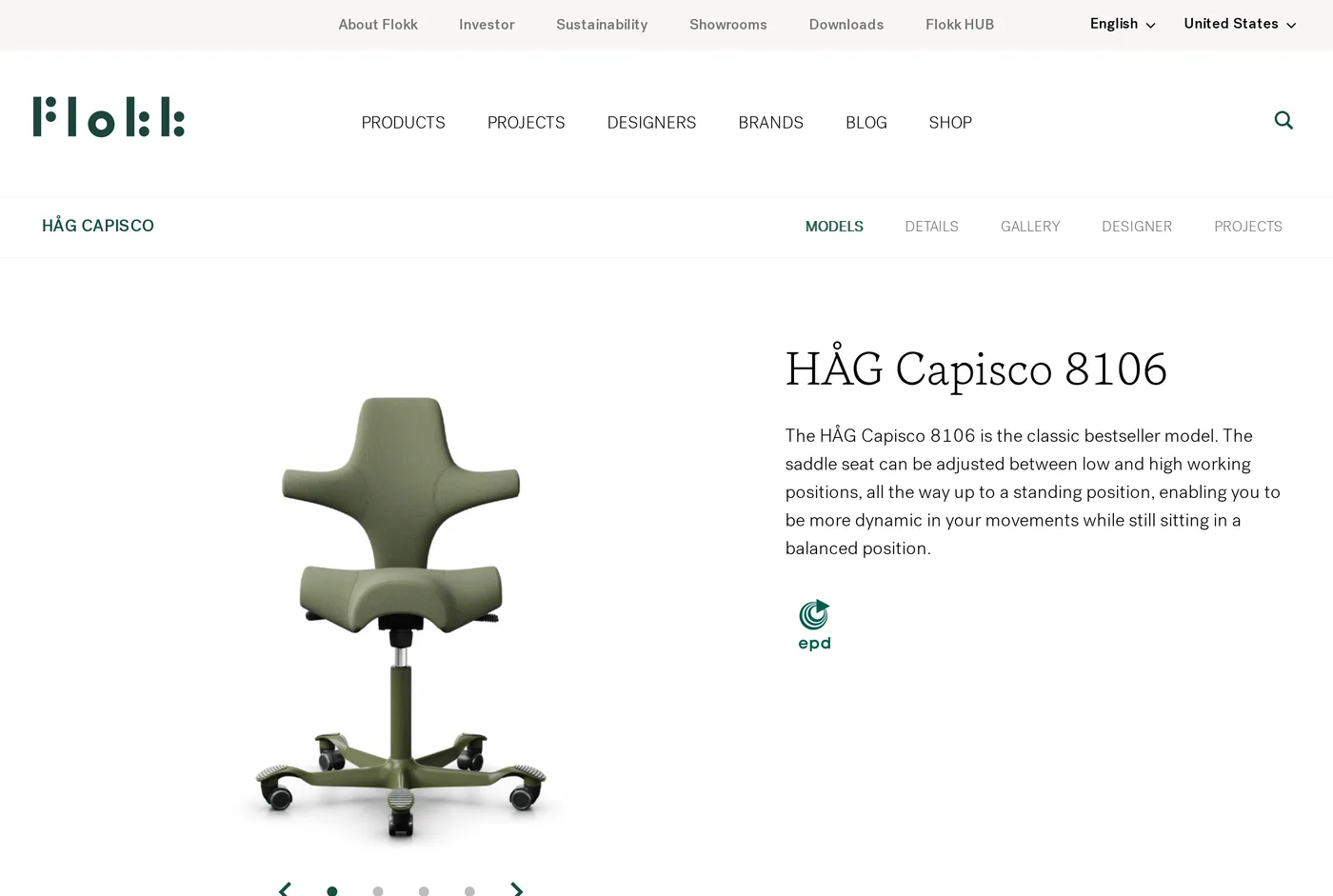
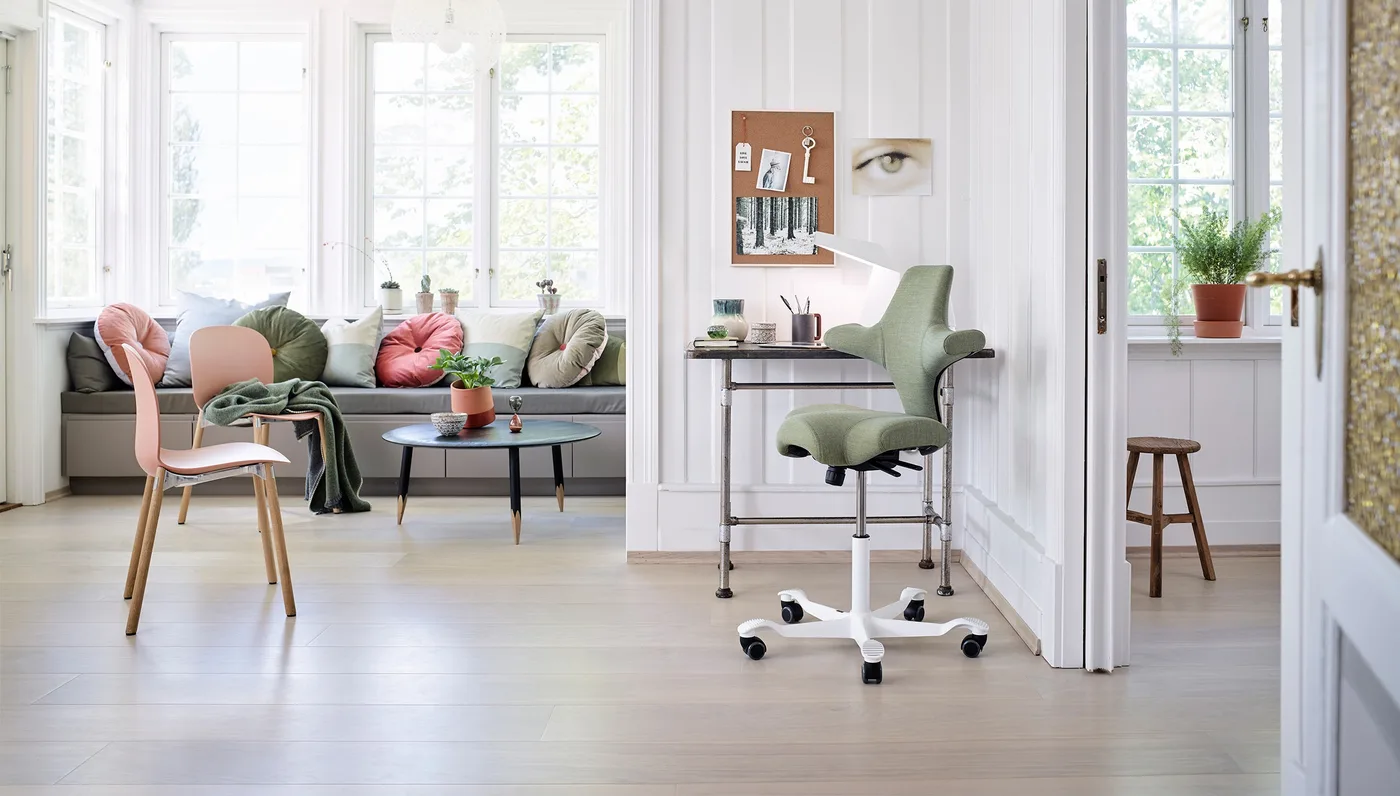
Peter Opsvik designed the Capisco in 1984 after watching horse riders, and the design has barely changed since — which in this category is a recommendation rather than a criticism.
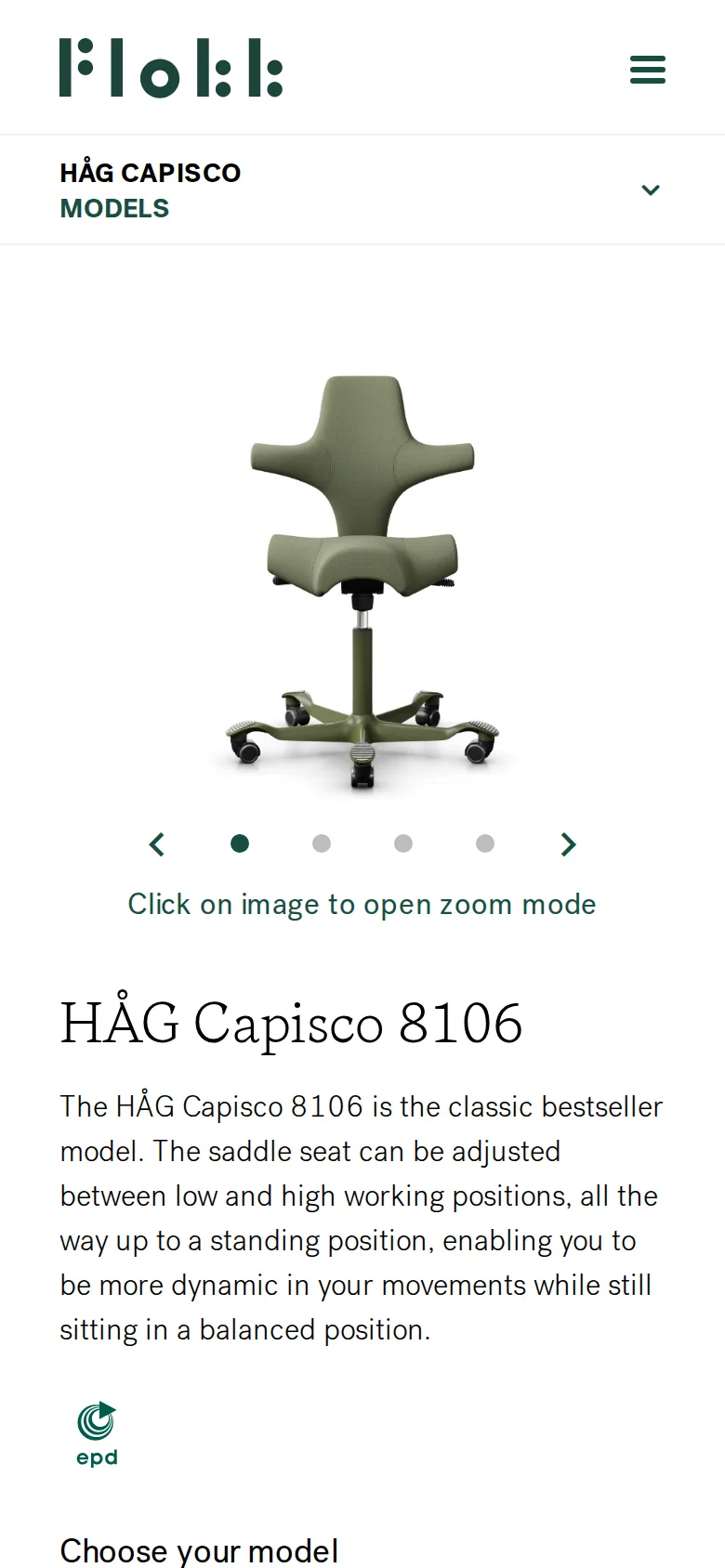
The seat is a saddle. The back is a narrow, high pad you can lean against forwards or backwards. There is no conventional backrest, no lumbar pad, no recline. You are meant to move constantly and the chair is built to let you.
The postures
There are roughly four ways to sit in one, and you will use all of them in a day.
Facing forward, upright, hips open at something like 135 degrees rather than the 90 that a normal seat forces.
Facing forward, leaning on the backrest, which supports the middle of your back rather than the base of your spine.
Facing backwards, chest against the back pad — excellent for reading something on the desk, and the position that most surprises people.
Perched high with the cylinder extended, half your weight through your feet, at a standing desk.
That fourth one is the Capisco's best trick and the reason we would recommend it to anyone with a sit-stand desk. Standing all day is not the goal; alternating is. The Capisco gives you a third position between sitting and standing that a normal chair cannot reach, because a normal chair at that height leaves your feet dangling.
The adaptation period is real
Your postural muscles do the work that a backrest normally does. For the first week to fortnight, that hurts — a dull ache in the lower back and abdomen at the end of the day. This is normal, it is not a sign the chair is wrong for you, and it does pass.
It is also exactly why so many Capiscos end up on the second-hand market. People buy one, sit in it for four days, decide it is uncomfortable, and sell it. If you are not prepared to push through two weeks, do not buy one.
We should be plain here: we are describing what we experienced and what the design intends. If you have an existing back condition, this is a decision to take with a clinician who knows your history, not with a review site.
Choosing the right one
Two things matter more than the finish.
The gas cylinder height is the critical option, and the standard cylinder is too short for standing-desk use. If perching at a raised desk is why you are buying it — and it should be — you need the tall cylinder and, in almost all cases, the footring. Getting this wrong is the most common Capisco buying mistake.
Second, the 8106 is the classic model with a padded seat and back. There are variants with different upholstery and a plastic-shell version; the 8106 is the one to have if you will spend hours in it.
What it is not
It is not a chair for a nine-hour day of concentrated typing. Somewhere around hour five, most people want something to lean back into, and the Capisco has nothing to offer. It is not a chair for watching a film at your desk. It is not a chair for anyone who wants to slump, and slumping is not a character flaw — it is a legitimate thing to want from furniture.
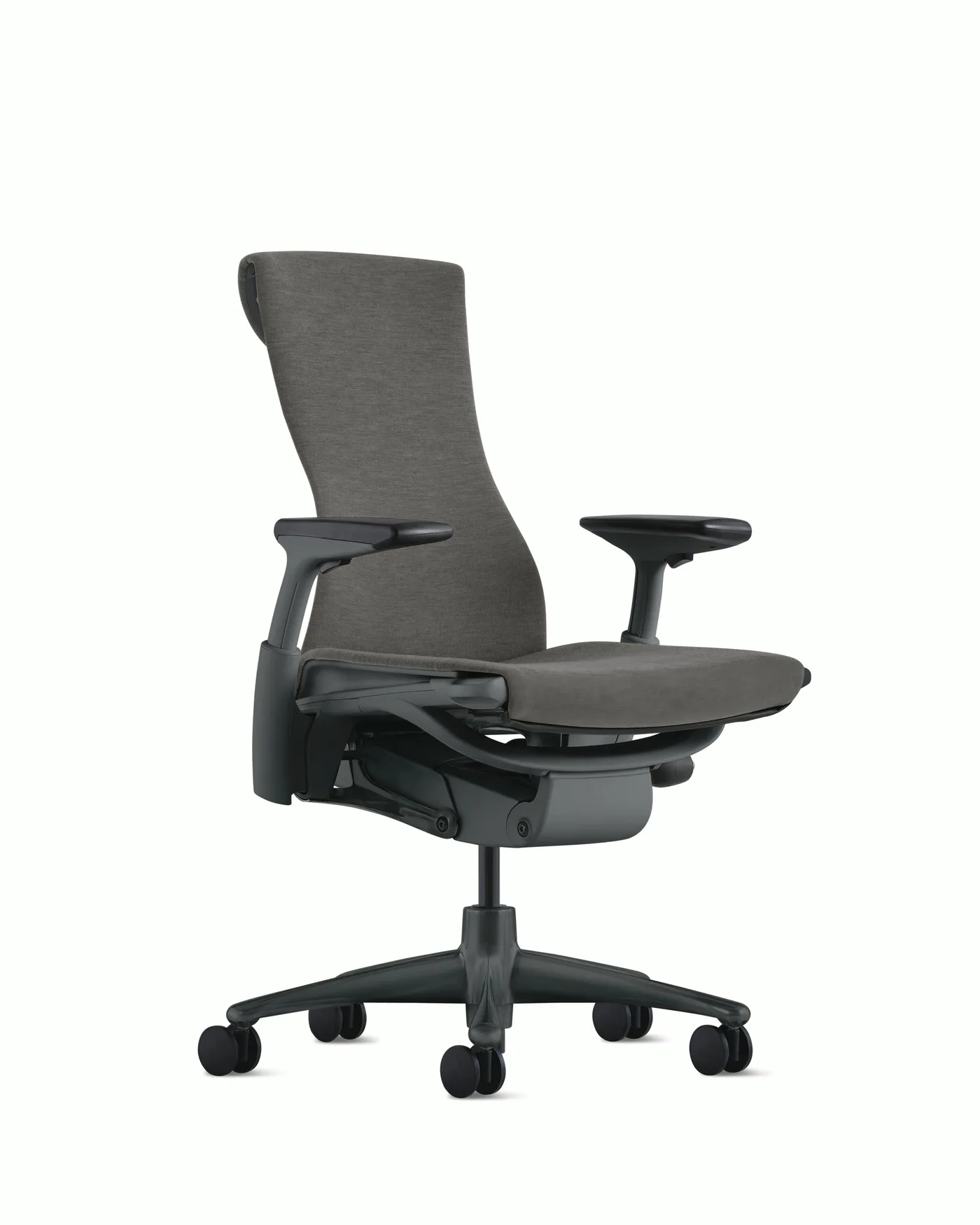
Our recommendation, unusually, is to own it alongside something else. A Capisco at a standing desk and a Leap at a sitting desk is a better setup than either chair on its own, and if you can only have one, it should not be this one.
A fortnight, day by day
Because the adaptation is the hardest part of this purchase, here is roughly how ours went.
Days one to three: comfortable for about ninety minutes at a time, then a dull ache low in the back. We alternated with a conventional chair.
Days four to seven: the ache moved — less lower back, more abdominal, which is the sign that the load is being shared rather than dumped on the lumbar spine. Sessions stretched to two hours.
Days eight to twelve: the backwards-facing position started getting used without thinking about it, mostly for reading paper on the desk. The ache mostly stopped.
Day fourteen onward: a full morning at the raised height, perching, with no complaints. That is the point at which the chair started to seem worth the money.
Two weeks is our honest estimate for a reasonably active person. Someone sedentary should expect longer.
Build
Flokk builds these properly. The mechanism is quiet, the finish is durable, and there is a long warranty behind it. Capiscos from the 1990s are still in service. As an object it is easily worth the money; as a purchase, it depends entirely on whether you will still be sitting in it in March.
What holds up
- Encourages an open hip angle that a conventional seat cannot
- Genuinely usable facing backwards, which is more useful than it sounds
- Excellent at standing-desk height as a perch
- Small footprint and easy to move; built like it will outlive the desk
What wears thin
- No back support in the way most people mean it
- Real adaptation period — a week or two of sore muscles is normal
- Not a chair to slump in, which is the entire appeal of a chair for some people
- Expensive for something many buyers use as a secondary seat