What you are actually buying
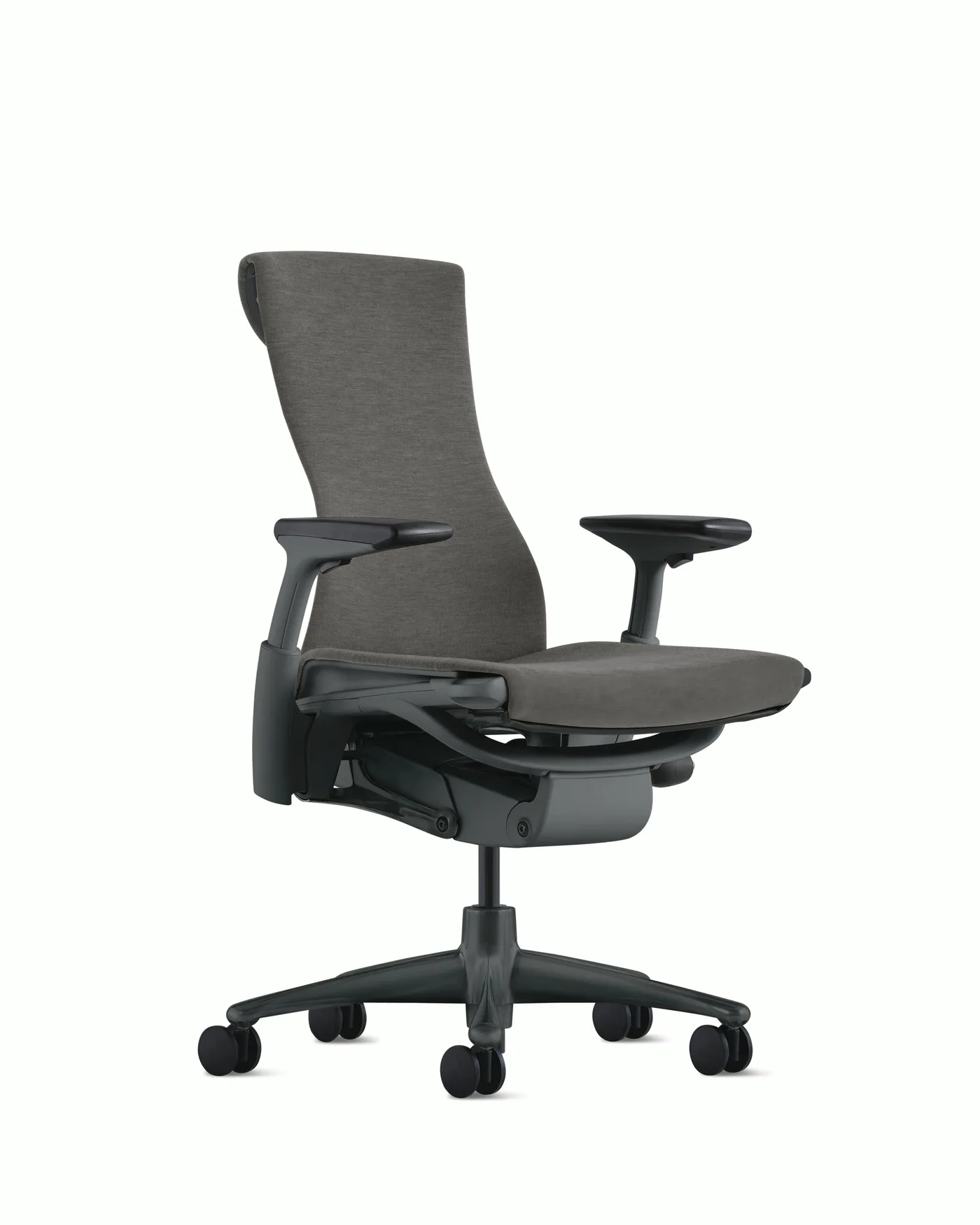
There is a large category of chair that costs roughly a tenth of a Herman Miller and claims to do the same job. Almost all of them are bad. The Doro C300 is the first one we have tested that is genuinely good, and it is worth explaining precisely where the remaining gap is, because the marketing will not.
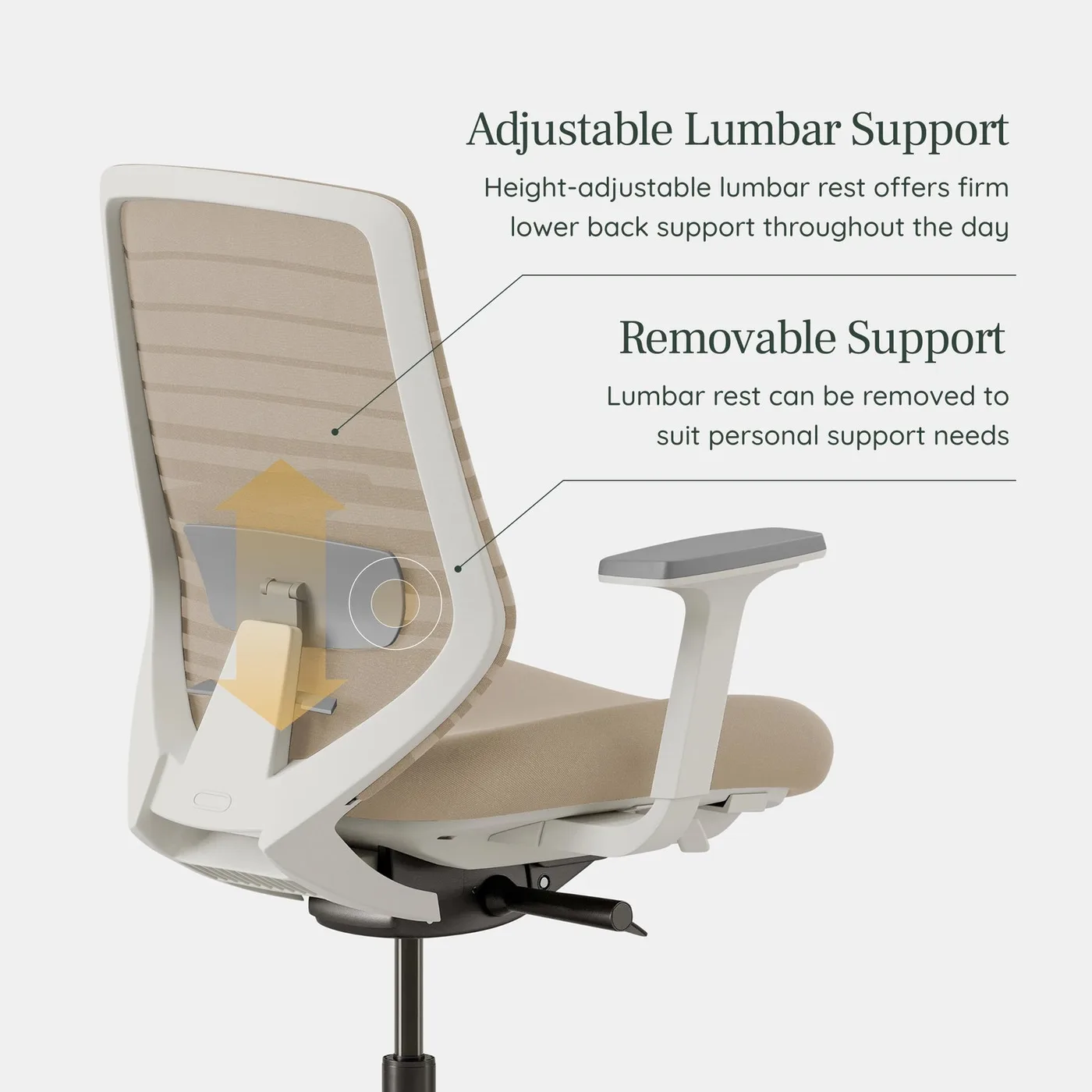
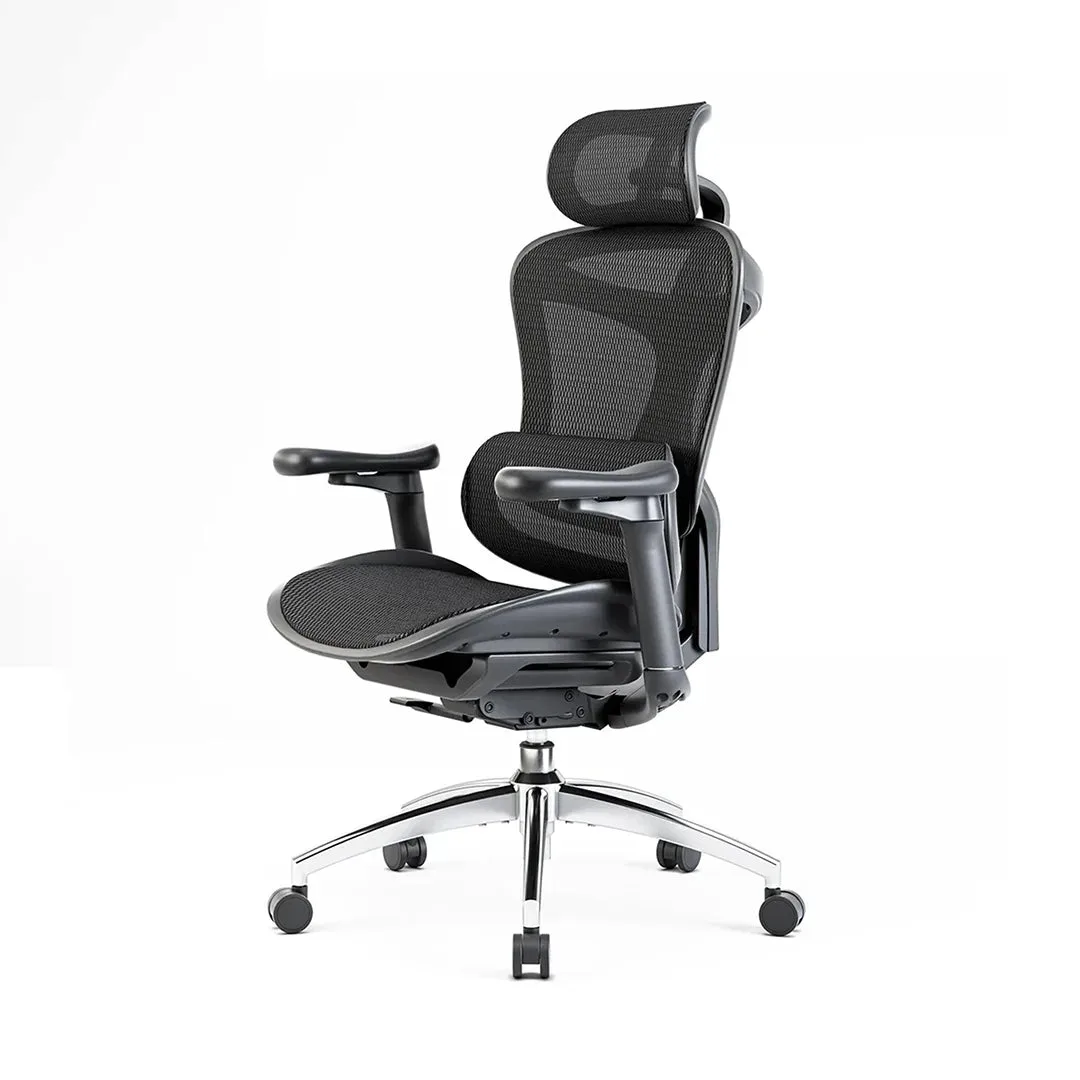
The headline feature is a lumbar section that moves as you move rather than sitting at a fixed height. On a $400 chair that is a real surprise. It is not as sophisticated as a Leap's independent firmness control, but it does the basic job: lean back, the support follows, rather than a fixed bump you slide off.
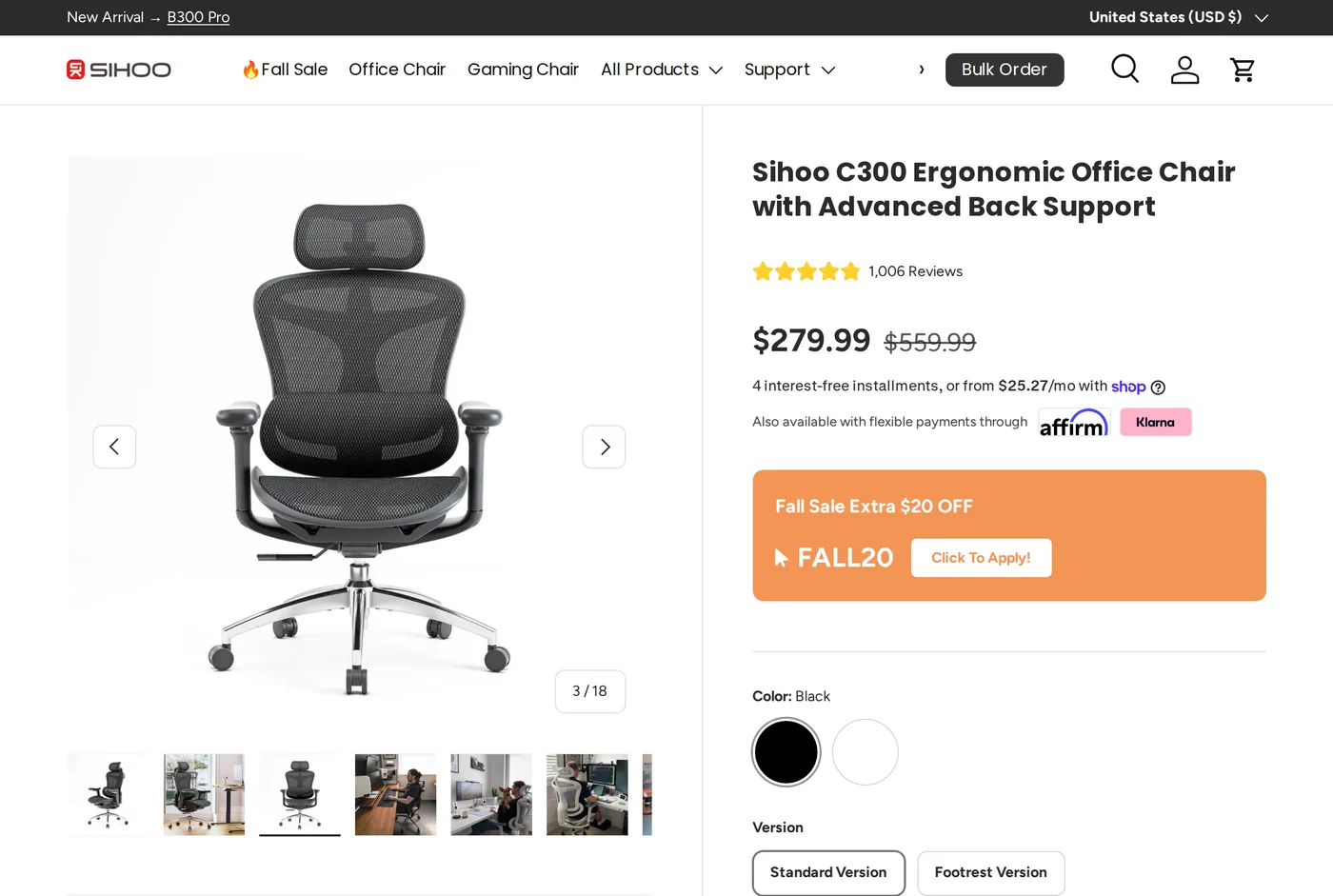
Armrests adjust in four directions. A headrest is included. The back is mesh, which keeps it usable in a warm room. On a specification sheet, this is a chair that has no business costing what it does.
Where the money was saved
Sit in one for two months and the differences arrive in order.
The seat foam. It is the first thing to go. New, it is firm and pleasant; after a few months of daily use it has a visible dish and is noticeably softer under the sit bones. Contract-grade foam in a Steelcase does not do this in a decade. This is the single biggest quality gap.
The armrest pads. Hard plastic with a thin skin. They are fine to rest on and unpleasant to lean weight into, and the edges are sharper than they should be.
The recline tension. The adjustment range is narrow. Around 65–85 kg it is well judged. Heavier than that and even the firmest setting feels loose; lighter and it can feel like the chair wants to stay upright.
The mechanism noise. Not a fault, just a difference. The tilt has a faint creak under load that a Leap does not.
The warranty question
This is where the price difference stops being abstract. Steelcase, Herman Miller and Haworth all offer twelve years on the whole chair and will still sell you parts a decade later. Sihoo's cover is shorter and narrower, and the practical route to a replacement part on a chair bought three years ago is much less certain.
For a chair you expect to keep for two or three years, this matters less than the spreadsheet suggests. For a chair you expect to keep for ten, it is the entire argument.
Setting it up properly
The Doro C300 arrives with everything at the wrong setting, which is normal, and unlike some budget chairs it does have enough adjustment to fix.
The lumbar section has a height adjustment as well as a depth one, and both matter. Set the height so the support meets the inward curve of your lower back — for most people that is lower than instinct suggests, roughly at belt level. Then set the depth so you feel contact when sitting upright, not pressure.
The headrest adjusts for height and angle. Our advice matches every other chair with one: if you do not recline, remove it rather than fight it, because a headrest set for an upright posture pushes your head forward.
Seat depth slides. Use it. It is the adjustment that most separates this from the chairs a tier below it.
The comparison that decides it
The Doro C300's real competitor is not a new chair. It is a second-hand Steelcase Leap, which sells for roughly the same money in most cities with an office market.
If a used Leap is available to you, buy that instead. Better foam, better arms, better adjustment, and parts you can still get. The Doro C300 will not win that comparison, and we are not going to pretend otherwise.
If used is not available or not acceptable — you want a warranty, you want it delivered in a box, you do not want to drive across a city to collect a chair from an office clearance — then this is the one to buy. That is a real set of constraints and a lot of people have it.
Assembly and practicalities
It arrives with the base, casters and headrest to fit; twenty minutes with the supplied hex key and no swearing. The instructions are adequate. The box is heavy but manageable for one person.
The score
A 7.2 here means what it says in our scoring notes: good, with better answers nearby. Against other new chairs at this price it would score higher. Against the whole category, the used market is sitting right next to it with a better offer.
What holds up
- Dynamic lumbar support that actually tracks the back, which is rare at this price
- Four-way armrests and a headrest included rather than optioned
- Mesh back keeps a warm room bearable
- Arrives close to fully assembled
What wears thin
- Warranty and parts supply are nothing like the twelve-year offers above it
- Seat foam is the weak point and softens noticeably over months
- Plastic armrest pads feel exactly as cheap as they are
- Recline tension range is narrow; heavier sitters will find it light